

We Fix What Others Install Wrong the First Time
Mistake 1: Choosing the Wrong Material for Your Environment
The material you select for your security gate determines how well it will hold up against both intrusion attempts and environmental wear. Many business owners in the Escondido area choose gates based solely on upfront cost, only to discover within a year or two that coastal moisture, intense UV exposure, and temperature swings have weakened the structure far more than anticipated.
Steel gates offer superior strength and durability, but not all steel is equal. Untreated or poorly coated steel will corrode quickly when exposed to the salty air that drifts inland from the Pacific, especially in areas closer to Carlsbad and Oceanside. Aluminum options provide lighter weight and corrosion resistance, but they may lack the impact resistance needed for high-traffic commercial entrances or locations with elevated theft risk. Wrought iron delivers an aesthetic appeal but requires consistent maintenance to prevent rust, particularly during the cooler, wetter months from December through March.
If you operate a warehouse, retail storefront, or industrial facility, the gate material must align with your daily usage patterns. A gate that opens and closes dozens of times each day needs structural integrity that can withstand repetitive stress without warping or binding. Choosing roll up steel doors or roll up sectional steel doors ensures you get the rigidity and longevity that high-frequency environments demand.
Before you commit to a material, evaluate your specific exposure: Does your property face direct sun for most of the day? Are you within ten miles of the coast? Do you experience high winds during Santa Ana season? Matching the material to these conditions prevents premature failure and the expense of early replacement. When you work with a door company that understands local climate factors, you gain access to material recommendations grounded in real-world performance, not just manufacturer claims.
Mistake 2: Skipping Preventive Maintenance Schedules
A security gate is a mechanical system, and like any system with moving parts, it requires regular attention to perform correctly. Skipping or delaying preventive maintenance is one of the most common and costliest errors businesses make. Over time, dust, dirt, and debris accumulate in tracks and hinges, motors lose lubrication, and fasteners loosen from repeated operation. When these small issues go unaddressed, they compound into larger failures that can leave your gate stuck open, stuck closed, or operating erratically.
In the Escondido region, the dry summer months generate significant dust, which infiltrates gate tracks and rollers. During the cooler season, morning condensation can cause metal components to corrode if protective coatings have worn thin. A gate that receives no scheduled service will show signs of wear far sooner than one inspected quarterly. Hinges seize, motors overheat, and panels misalign, creating gaps that compromise the very function you installed the gate to provide.
Preventive maintenance typically includes lubricating moving parts, inspecting welds and fasteners, testing motor function, checking alignment, and cleaning tracks. For businesses that rely on commercial door repair or security gate services, scheduling service every three to six months can extend the operational life of the gate by years and prevent emergency repair calls that disrupt operations and cost significantly more than routine visits.
You also reduce liability. A malfunctioning gate that fails to close properly or that moves unpredictably poses a safety risk to employees, customers, and delivery personnel. Regular inspections catch worn cables, frayed wiring, and weakened springs before they fail catastrophically. If your business operates in a high-use environment, such as a loading dock or parking structure, the return on scheduled maintenance becomes even clearer: fewer breakdowns, less downtime, and greater control over your security perimeter.
Mistake 3: Installing Without Proper Access Control Integration
A physical barrier alone does not constitute a complete security solution. Many businesses install a gate and assume that the lock and key or a simple keypad will suffice, only to discover that managing access for employees, contractors, vendors, and after-hours deliveries becomes a logistical nightmare. Without integrated access control, you lose visibility into who entered your premises and when, and you create opportunities for unauthorized duplication of keys or codes that are shared too widely.
Modern access control systems allow you to assign credentials to individuals, set time-based permissions, and receive real-time alerts when the gate is accessed. For businesses in San Marcos, Vista, or Poway that experience high employee turnover or rely on third-party service providers, this level of control is not a luxury; it is a necessity. When an employee leaves, you deactivate their credential instantly rather than worry about whether they returned their key or shared the entry code.
Integration also supports audit trails. If inventory goes missing or an incident occurs on-site, you can review access logs to identify who was present. This capability is invaluable for insurance claims, internal investigations, and compliance with industry regulations. Businesses that handle sensitive materials, high-value inventory, or operate in sectors with strict security requirements will find that installing security door installation with access control from the outset saves considerable expense compared to retrofitting later.
When you plan your gate installation, consider how it will interact with your broader security infrastructure: surveillance cameras, alarm systems, and intercoms. A well-designed system allows these elements to communicate, so that opening the gate triggers a camera recording or an alert to security personnel. If you attempt to add these features piecemeal or rely on incompatible technologies, you end up with a fragmented system that fails to deliver the protection you need. Working with a door installation service that understands integrated security ensures your gate functions as part of a cohesive defense, not an isolated component.
Mistake 4: Overlooking Gate Automation and Power Backup Systems
The quality of installation directly impacts how well your gate performs and how long it lasts. A gate installed incorrectly will bind, wear unevenly, fail to seal properly, and require frequent adjustments or repairs. Common installation errors include improper alignment, inadequate anchoring, incorrect motor sizing, and failure to account for ground slope or structural loads. These mistakes often stem from attempting to save money by hiring an inexperienced installer or treating the project as a do-it-yourself endeavor.
In the Escondido area, where properties vary widely in age, construction type, and site conditions, a one-size-fits-all approach to gate installation rarely works. Older buildings may have uneven foundations or limited structural support for gate hardware. Newer commercial developments may require compliance with strict building codes and ADA accessibility standards. An installer who lacks familiarity with local requirements or who rushes the job to move on to the next project will leave you with a gate that looks acceptable on the surface but performs poorly under daily use.
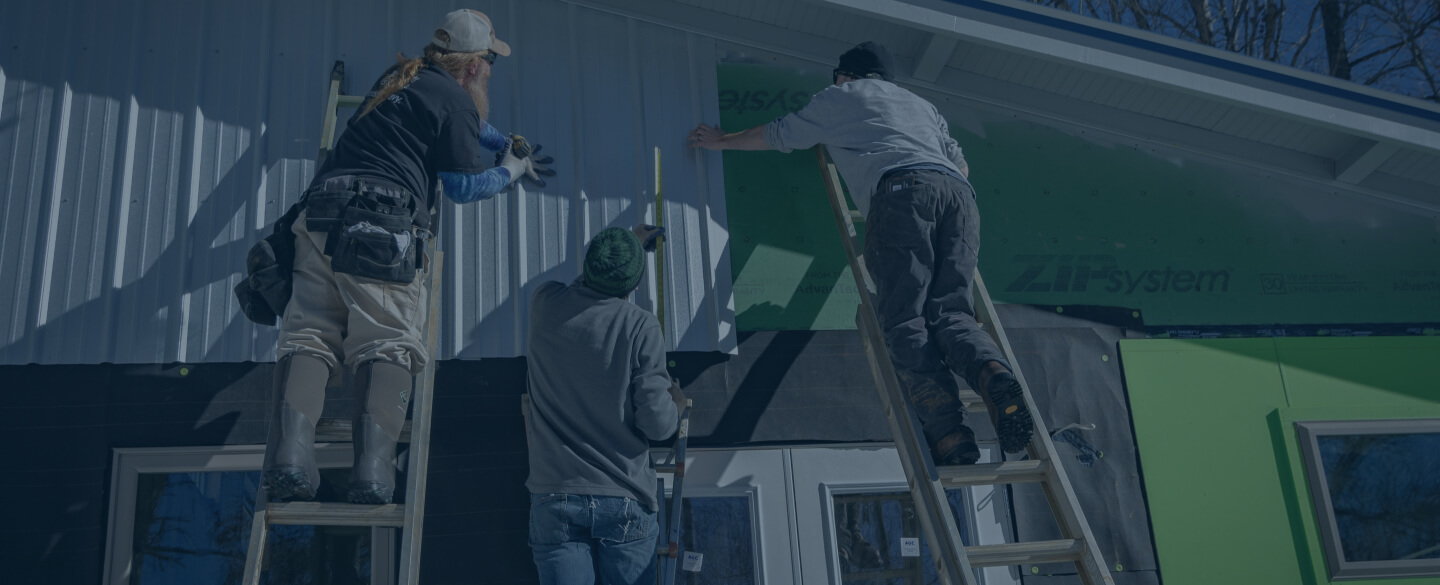
Professional installation includes a site assessment, accurate measurement, proper preparation of mounting surfaces, correct tensioning of springs and cables, calibration of motor controls, and testing under load. For roll up door installation or sliding security gates, the installer must ensure that tracks are level, that panels move smoothly without resistance, and that safety features such as auto-reverse sensors function correctly. Cutting corners on any of these steps introduces vulnerabilities that criminals can exploit or that lead to premature mechanical failure.
You also gain warranty protection. Most manufacturers void their warranties if the gate is not installed by a qualified technician. If a component fails and the manufacturer determines that improper installation caused the damage, you bear the full cost of replacement. When you invest in security gate services from a qualified provider, you secure both the immediate quality of the work and the long-term support that comes with it. The modest additional expense of professional installation is far smaller than the cost of reinstalling a gate that was done wrong the first time or dealing with a security breach that results from a poorly secured entry point.
Lastly, consider safety. A gate that is improperly installed can injure employees or customers if it falls, closes unexpectedly, or malfunctions. Liability for such incidents rests with the property owner, and the legal and financial consequences can be severe. Ensuring that your commercial overhead door or security gate is installed correctly from the start protects both your assets and the people who interact with your property every day.
Mistake 5: Failing to Train Staff on Emergency Protocols and Manual Override
When your gate loses power, your business becomes immediately vulnerable. Many business owners install manual gates or automated gates without considering what happens during a power outage, brownout, or electrical failure. In the Escondido area, summer heat waves can strain the electrical grid, and unexpected outages occur several times each year. Without a backup power system, your automated gate becomes a fixed barrier that cannot open for deliveries or close to secure the premises after hours.
Manual operation of a heavy commercial gate is not always practical or safe. Steel roll up doors and large sliding security gates require significant force to move manually, and attempting to do so can cause injury or damage the gate mechanism. Worse, during an emergency evacuation, a non-functional gate can trap people or vehicles inside your property, creating liability and safety risks that far exceed the cost of proper automation and backup systems.
Battery backup systems designed for security gates provide anywhere from four to twelve hours of operation during power loss, depending on usage patterns and battery capacity. These systems automatically switch over when they detect a power interruption, allowing your gate to continue functioning without manual intervention. For businesses that operate outside standard hours or have multiple daily deliveries, this continuity is essential for both security and operations.
Automation also reduces wear on the gate mechanism itself. A properly calibrated automated opener applies consistent force, avoids shock loads, and stops immediately if it detects an obstruction. Manual operation, by contrast, often involves jerking, forcing, or improper alignment that accelerates wear and increases the likelihood of track damage or motor failure. Investing in quality automation with built-in safety sensors and backup power is not an added luxury; it is a core component of a functional security system. Businesses that partner with a door company experienced in commercial installations will receive guidance on sizing backup systems appropriately and selecting automation that matches the gate’s weight, usage frequency, and environmental conditions.